 Save
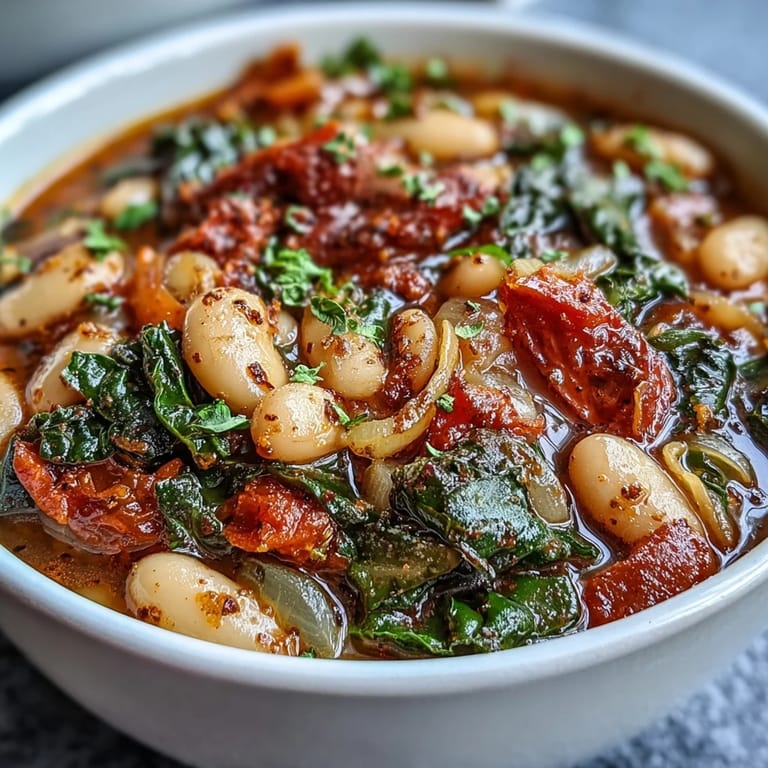
Save I discovered this stew on a chilly evening when my neighbor stopped by with a bag of fresh kale and a story about her grandmother's kitchen in Greece. She mentioned how simple ingredients, when treated with respect and time, transform into something that tastes like comfort itself. That night, I raided my pantry for white beans and olive oil, and within an hour, my kitchen smelled like Mediterranean hillsides. It's become the dish I make when I want to feel grounded, or when someone needs feeding without fuss.
I made this for my work potluck last spring, and the best part wasn't that everyone asked for the recipe—it was watching how people slowed down while eating it, actually pausing between bites. One colleague mentioned it reminded her of a trip she'd taken years ago, a moment she'd forgotten about until that spoonful. That's when I realized this stew has a quiet magic to it.
Ingredients
- Extra-virgin olive oil: Use the good stuff here, not the bargain bottle. It's what carries all the warmth through the broth, and you'll taste the difference in every spoonful.
- Yellow onion: Dice it smaller than you think you need to. It melts into the stew and becomes the foundation of everything else.
- Garlic cloves: Fresh is non-negotiable. That one minute of cooking releases the fragrance that makes people ask what you're making before they even see the pot.
- White beans: Canned saves time without losing flavor. Drain and rinse them well—it makes the broth clearer and cleaner tasting.
- Low-sodium vegetable broth: You're building flavor with spices, so low-sodium lets you control the seasoning without it becoming too salty.
- Diced tomatoes: Fresh is lovely in summer, but canned works year-round and honestly gives you better acidity for the stew.
- Carrots: Slice them thin enough to cook through in 20 minutes but thick enough they don't disappear into the broth.
- Red bell pepper: It softens and sweetens slightly, balancing the earthiness of the beans and the warmth of the spices.
- Kale or spinach: Add it at the very end. The heat of the stew wilts it gently, and it stays vibrant green and tender.
- Ground cumin: This is the soul of the dish. It brings that warm, slightly smoky earthiness that makes it feel intentional.
- Smoked paprika: A teaspoon is enough to hint at smoke and depth without overpowering the other flavors.
- Ground coriander: Often overlooked, but it adds a subtle citrus note that brightens everything.
- Dried oregano: Mediterranean cooking's quiet hero. It ties all the warm spices together.
- Crushed red pepper flakes: Optional, but I always add them. A quarter teaspoon gives a gentle warmth, not heat.
- Fresh parsley: Save this for garnish. It's your last moment to add freshness and color to each bowl.
- Lemon wedges: Don't skip these. A squeeze of acid at the end wakes up the whole bowl.
Tired of Takeout? 🥡
Get 10 meals you can make faster than delivery arrives. Seriously.
One email. No spam. Unsubscribe anytime.
Instructions
- Warm the oil and soften the onion:
- Pour the olive oil into your pot over medium heat and let it warm for a minute—you'll smell when it's ready. Add the diced onion and let it sit undisturbed for two minutes before stirring, which helps it soften evenly and become sweet rather than sharp.
- Build the aromatics:
- Once the onion is translucent and soft, add the garlic and stir constantly for just one minute. This is one of those moments where timing matters—the garlic should be fragrant but never brown.
- Toast the vegetables:
- Add your carrots and red bell pepper, stirring occasionally for three to four minutes. You're not cooking them all the way through yet, just starting to wake them up.
- Bloom the spices:
- Sprinkle in the cumin, smoked paprika, coriander, oregano, and red pepper flakes, then stir everything together for about thirty seconds. This toasts the spices slightly and releases their essential oils into the oil.
- Build the stew:
- Add the beans, tomatoes, and broth, stirring gently to combine. Bring everything to a gentle boil—you'll see small bubbles forming around the edges of the pot.
- Let it simmer and marry:
- Lower the heat, cover the pot, and let it simmer quietly for twenty minutes. The vegetables will soften, and the flavors will begin talking to each other, creating something greater than the sum of their parts.
- Add the greens and finish:
- Stir in the kale or spinach and let it wilt for two to three minutes. You'll watch the dark greens soften and become tender, releasing their own earthiness into the broth.
- Taste and season:
- Add salt and black pepper slowly, tasting as you go. Everyone's palate is different, and low-sodium broth means you're in control here.
- Serve with intention:
- Ladle the stew into bowls, scatter fresh parsley over the top, and set a lemon wedge on the rim of each bowl so people can squeeze in as much brightness as they want.
 Save
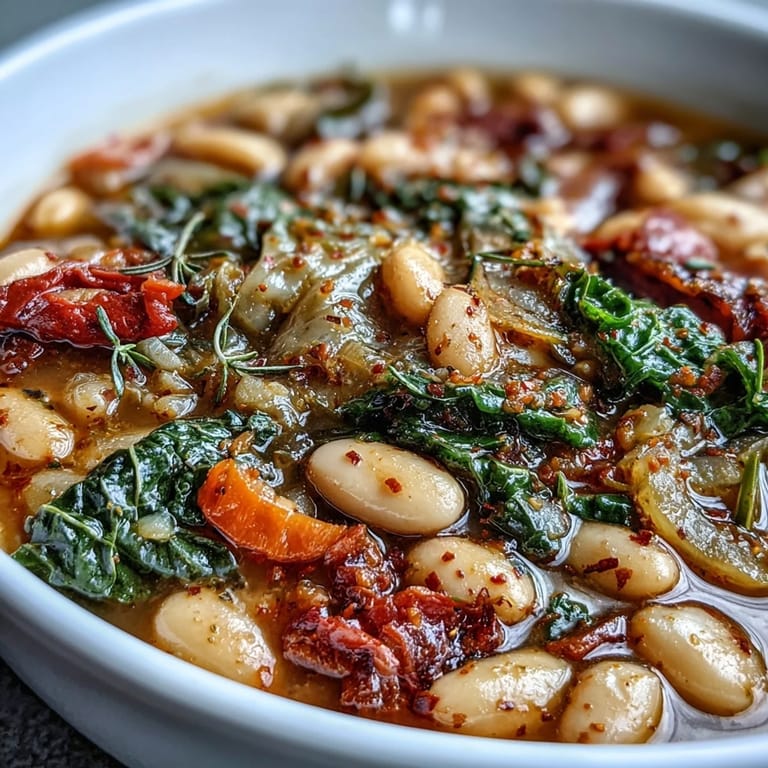
Save There was an afternoon when my nephew came home upset from school, and I made this stew without asking why. He sat at the kitchen counter watching it bubble softly, and by the time it was done, he'd told me everything. The stew wasn't the solution, but it was the space where talking became easier, where time slowed down enough to listen.
The Spice Balance That Changes Everything
I used to add all the spices at once, dumping them straight into the pot with the beans and broth, and the stew always tasted a bit flat and unfocused. Then one day I remembered something I'd read about blooming spices in fat, and I changed the order. Now I toast them in the warm oil with the vegetables first, and suddenly the whole dish comes alive with dimension. The cumin becomes rounder, the paprika deeper, the coriander brighter. It's the same ingredients, but that one adjustment changed how the stew tastes completely.
Variations Worth Trying
This stew is forgiving and eager to adapt to what's in your kitchen or what's in season. I've made it with fennel instead of bell pepper, added a bay leaf and a pinch of saffron when I was feeling fancy, and once I stirred in some sun-dried tomatoes when fresh ones weren't available. Someone told me she adds a splash of red wine at the beginning, and I've stolen that idea too. The framework stays the same, but your kitchen's personality comes through in the details.
Making It a Complete Meal
The stew is lovely on its own, but it becomes a fuller, more satisfying meal when served with something to lean on. Crusty bread is the obvious choice, torn into pieces and used to soak up the broth, but I've also ladled it over farro, brown rice, or even couscous when I want something quicker. Fresh lemon wedges at the table are essential no matter what—they're your invitation to adjust the brightness of each bowl to your taste. One night I added a dollop of creamy yogurt on top, and the cooling element against the warm spices was unexpectedly perfect.
- Serve with good bread that can actually absorb broth without falling apart.
- A squeeze of lemon right before eating changes the entire experience of the bowl.
- Any leftovers taste even better the next day, when the flavors have deepened overnight.
 Save
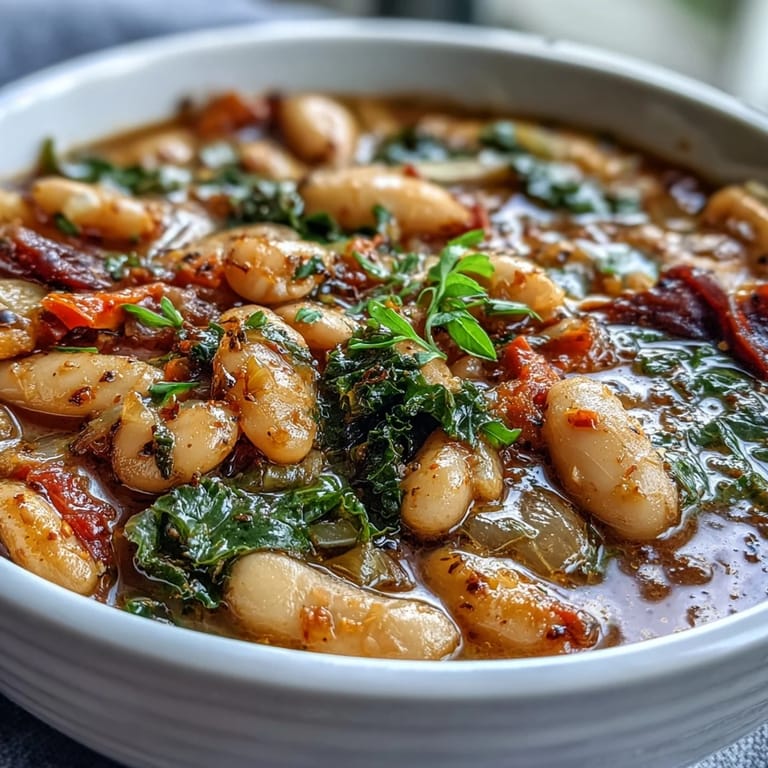
Save This stew has become my answer to the question I didn't know how to ask: what do you cook when you want something warm, nourishing, and honest? It's never complicated, but it never feels simple either.
Recipe FAQs
- → Can I use dried beans instead of canned?
Yes, soak 1 cup dried white beans overnight, then cook them separately until tender before adding to the stew. This will extend the total cooking time by about 1-2 hours.
- → How long does this stew keep in the refrigerator?
The stew stores well in an airtight container for 4-5 days. The flavors often improve after sitting overnight as the spices meld together.
- → Can I freeze this Mediterranean white bean stew?
Absolutely. Portion cooled stew into freezer-safe containers and freeze for up to 3 months. Thaw overnight in the refrigerator before reheating gently on the stovetop.
- → What other greens can I use besides kale or spinach?
Swiss chard, collard greens, or mustard greens all work beautifully. Add heartier greens like collards earlier in the simmering process to ensure they become tender.
- → How can I make this stew more protein-rich?
Add diced firm tofu during the last 10 minutes of cooking, or serve with a side of quinoa. You could also stir in a cup of red lentils which will cook directly in the broth.
- → Is this suitable for meal prep?
Perfect for meal prep. Make a batch on Sunday and portion into containers for easy lunches throughout the week. The stew reheats beautifully with a splash of water or broth.