 Save
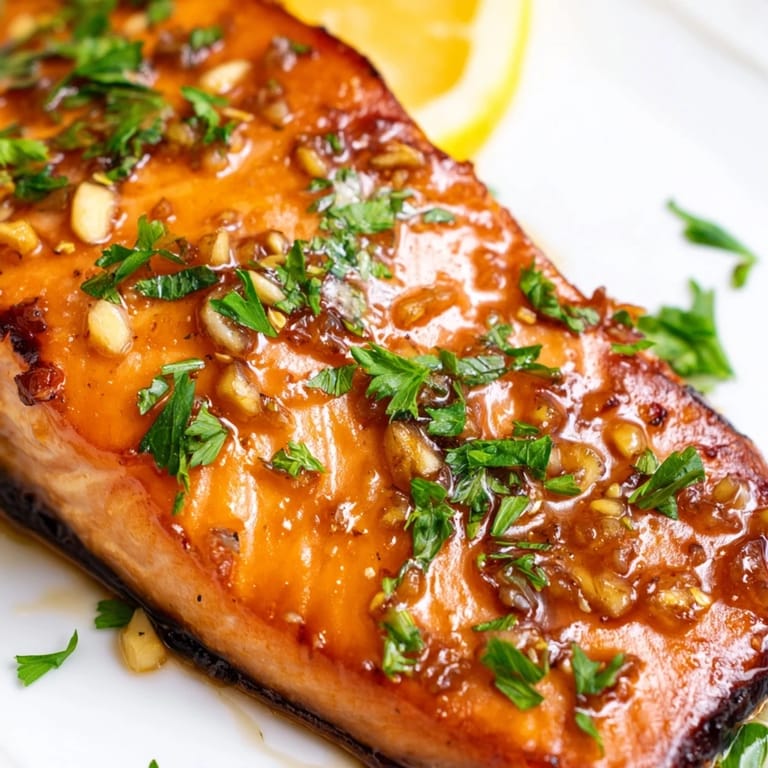
Save My neighbor knocked on the door one Tuesday evening holding a beautiful piece of salmon she didn't know how to cook. I threw together honey, garlic, and butter from my pantry, brushed it over the fish, and slid it into the oven. Fifteen minutes later, the smell alone had her convinced she'd found her new weeknight savior. That impromptu dinner turned into my most-requested recipe.
I once made this for a friend who swore she hated salmon because it always tasted fishy. She watched me brush on the glaze with skepticism, then took one bite and immediately texted three people the recipe. Now she makes it every Sunday and claims it converted her entire family. It's become her signature dish at potlucks.
Ingredients
- 4 salmon fillets (about 170 g / 6 oz each), skin-on or skinless: Pat them completely dry before seasoning so the glaze clings properly and the surface caramelizes instead of steaming.
- Salt and freshly ground black pepper, to taste: Just a light sprinkle on both sides lets the natural richness of the salmon shine through the sweet glaze.
- 3 tablespoons honey: This is the base of the glaze's sweetness and helps create that beautiful caramelized finish under high heat.
- 2 tablespoons unsalted butter, melted: Adds richness and helps the glaze coat every curve of the fillet without sliding off.
- 3 cloves garlic, minced: Fresh garlic is non-negotiable here, it mellows and sweetens as it roasts, giving the dish its signature aroma.
- 1 tablespoon soy sauce (use gluten-free if needed): Brings a savory depth that balances the honey and keeps the glaze from tasting one-dimensional.
- 1 tablespoon fresh lemon juice: Brightens the whole dish and cuts through the richness so each bite feels light and vibrant.
- 1 teaspoon Dijon mustard (optional, for extra depth): I add this every time now, it gives a subtle tang that makes people ask what the secret ingredient is.
- 1 tablespoon chopped fresh parsley: A fresh, herby finish that adds color and a hint of brightness right before serving.
- Lemon wedges, for serving: A squeeze at the table lets everyone adjust the brightness to their own taste.
Tired of Takeout? 🥡
Get 10 meals you can make faster than delivery arrives. Seriously.
One email. No spam. Unsubscribe anytime.
Instructions
- Prep the Oven and Tray:
- Preheat your oven to 200°C (400°F) and line a baking tray with parchment paper or give it a light grease. This prevents sticking and makes cleanup almost effortless.
- Season the Salmon:
- Pat the salmon fillets completely dry with paper towels, then place them on the tray and season both sides lightly with salt and pepper. Dry fish means better browning and a glaze that actually sticks.
- Make the Glaze:
- In a small bowl, whisk together honey, melted butter, minced garlic, soy sauce, lemon juice, and Dijon mustard until smooth and glossy. The aroma alone will make your kitchen smell like a fancy bistro.
- Brush the Fillets:
- Use a pastry brush to coat the top and sides of each salmon fillet generously with the glaze, making sure the garlic bits are evenly distributed. Don't be shy, this is where all the flavor lives.
- Roast Until Tender:
- Slide the tray into the oven and roast for 12 to 15 minutes, until the salmon flakes easily with a fork and the glaze starts to bubble and caramelize. The edges should look golden and slightly crisp.
- Broil for Extra Caramelization:
- If you want a deeper caramelized crust, switch to broil for the final 1 to 2 minutes, watching closely so it doesn't burn. This step turns good into unforgettable.
- Finish and Serve:
- Remove from the oven and spoon any pan juices over the fillets, then sprinkle with chopped parsley. Serve immediately with lemon wedges on the side.
 Save
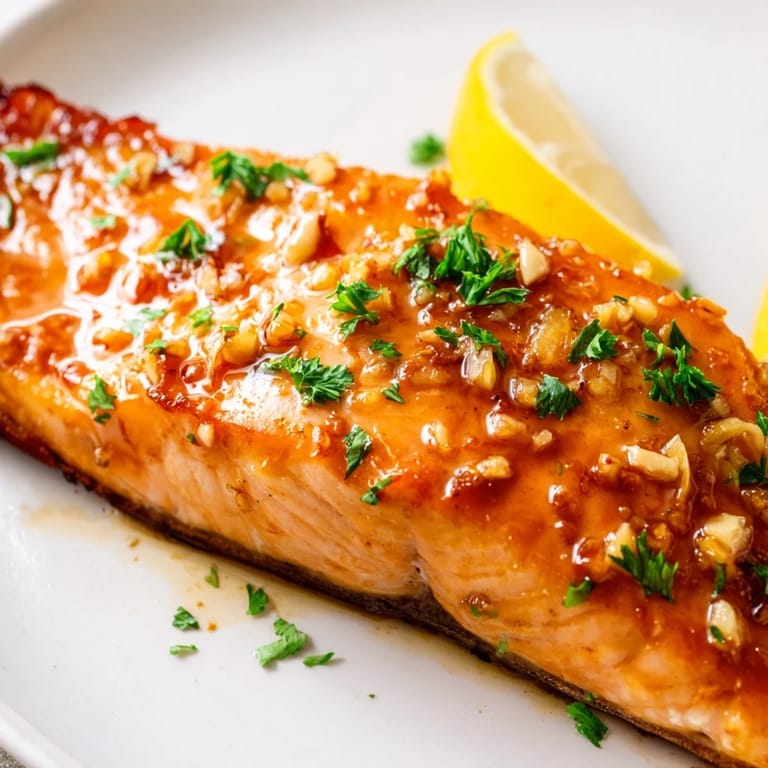
Save My sister made this for her in-laws on their first visit, and her mother-in-law asked for the recipe before dessert was even served. It became the dish that broke the ice and turned a nervous dinner into a tradition. Now they request it every time they visit, and my sister swears it's the reason they get along so well.
Choosing Your Salmon
I used to think all salmon was the same until I started paying attention at the fish counter. Wild-caught has a firmer texture and deeper flavor, but farmed salmon is fattier and more forgiving if you accidentally overcook it. For this glaze, either works beautifully, just make sure the fillets are similar in thickness so they finish cooking at the same time. If one piece is noticeably thicker, it might need an extra minute or two.
What to Serve Alongside
This salmon loves simple sides that don't compete with the glaze. I usually serve it over jasmine rice to soak up the pan juices, with roasted asparagus or green beans on the side. A crisp salad with a lemon vinaigrette also works perfectly, keeping the meal light and fresh. Once I served it with garlic mashed potatoes, and while delicious, it felt a bit heavy for the bright flavors of the fish.
Making It Your Own
This recipe is a fantastic base for experimenting once you've made it a few times. I've swapped maple syrup for honey when I wanted a deeper, earthier sweetness, and added a pinch of crushed red pepper flakes for a subtle kick that surprised everyone in the best way. You can also stir in a teaspoon of grated fresh ginger to the glaze for a hint of warmth that pairs beautifully with the garlic.
- Try sprinkling sesame seeds over the fillets before roasting for a nutty crunch and visual pop.
- If you have leftover glaze, toss it with roasted vegetables or drizzle it over rice for extra flavor.
- This glaze also works wonderfully on chicken thighs or pork chops if you want to switch up the protein.
 Save
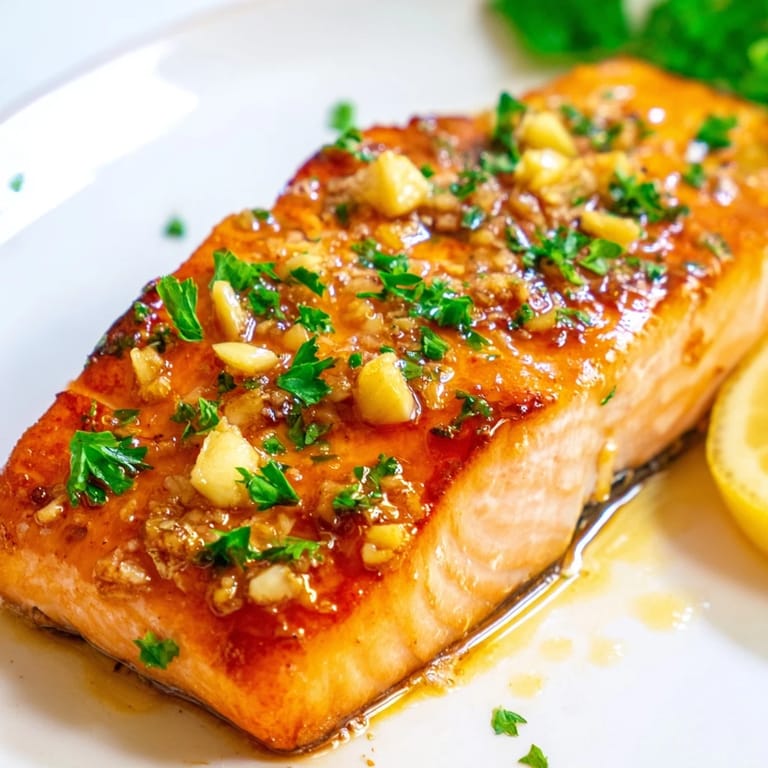
Save This dish has rescued more weeknights than I can count, turning ordinary Tuesday dinners into something that feels special without any extra effort. I hope it becomes one of those recipes you reach for again and again.
Recipe FAQs
- → How do I know when salmon is cooked through?
The salmon is ready when it flakes easily with a fork and the flesh is opaque throughout. At 200°C, this typically takes 12–15 minutes. If unsure, check the thickest part of the fillet—it should not appear translucent.
- → Can I use skinless salmon fillets?
Yes, both skin-on and skinless fillets work equally well. Skin-on fillets provide extra flavor and help retain moisture during roasting. If using skinless, reduce cooking time slightly as they cook faster.
- → What can I substitute for soy sauce?
Use tamari or coconut aminos for a gluten-free option, or try Worcestershire sauce for a different flavor profile. Each alternative will subtly change the taste while maintaining the savory-sweet balance.
- → Can I make the glaze ahead of time?
Yes, prepare the glaze up to 2 hours in advance and store it in an airtight container at room temperature. Stir well before brushing onto the fillets. This helps streamline meal preparation.
- → What does the broil/grill step do?
The final 1–2 minutes under broil caramelizes the glaze's surface, creating a beautiful golden crust and intensifying the honey garlic flavors. Watch closely to prevent burning, especially if your broiler runs hot.
- → How should I store leftovers?
Cool the cooked salmon completely and refrigerate in an airtight container for up to 3 days. Reheat gently in a 160°C oven for about 8 minutes, or enjoy cold in salads and grain bowls.