 Save
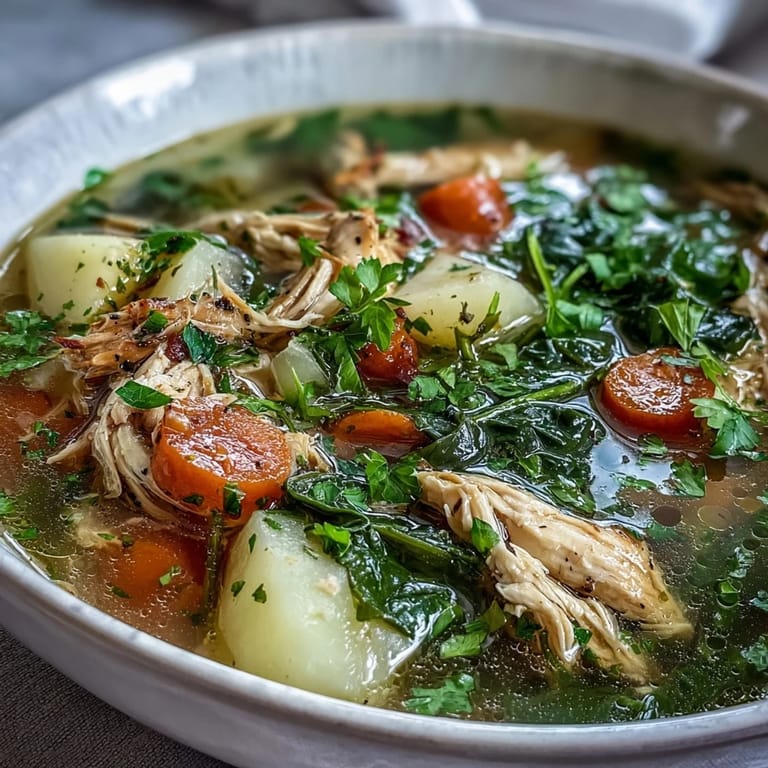
Save There's something about a pot of collard greens soup simmering on the stove that transforms an ordinary weekday into something warmer, more intentional. My grandmother used to make a version of this when the weather turned cool, filling the kitchen with the kind of steam that makes you slow down and breathe. The first time I made it myself, I was surprised by how the greens wilted into something almost silky, how the chicken shredded so easily, and how a squeeze of lemon at the end brought everything alive. It's become my go-to when I want something nourishing that doesn't demand constant attention.
I made this soup for a friend who was having a rough week, and watching her face soften as she took that first spoonful reminded me why cooking for people matters. There's an honesty to a simple bowl of soup, no pretense, just care in a ladle.
Ingredients
- Boneless, skinless chicken breasts (2, about 400 g): They cook gently in the broth and shred into tender pieces; poaching them this way keeps them moist and flavorful.
- Collard greens (1 large bunch, about 300 g, stems removed): These sturdy leaves soften beautifully without falling apart, and they're packed with nutrients that make you feel good about what you're eating.
- Yukon Gold potatoes (2 medium, peeled and diced): They break down slightly as they cook, adding natural creaminess to the broth without any cream at all.
- Carrots (2, peeled and sliced): Sweet undertones that deepen as they simmer, creating a subtle sweetness that balances the earthiness of the greens.
- Celery stalks (2, diced): Often overlooked, but they're the backbone of flavor here, adding a subtle herbal quality that grounds the whole pot.
- Onion (1 medium, diced): Your flavor foundation; take a moment to let it soften completely before adding anything else.
- Garlic cloves (3, minced): Add these after the soffritto so they cook just enough to release their perfume without turning bitter.
- Low-sodium chicken broth (1.5 liters or 6 cups): The soul of the soup; use something you'd actually drink on its own, as the broth's quality matters more than you'd think.
- Bay leaf (1): Subtle flavor that somehow ties everything together, especially important in a simple broth like this.
- Dried thyme (1 teaspoon): Herbal and warm, it makes the soup taste like it was made with intention.
- Smoked paprika (1 teaspoon): A touch of smokiness that adds complexity without announcing itself loudly.
- Black pepper (½ teaspoon) and salt (1 teaspoon): Taste as you go; you may need more depending on your broth.
- Olive oil (2 tablespoons): Use a good quality one for sautéing the vegetables; it sets the tone for the entire pot.
- Lemon juice (from ½ lemon): This bright squeeze at the end wakes up all the flavors and prevents the soup from tasting flat or one-dimensional.
- Fresh parsley (chopped, for garnish, optional): A final touch of green and a whisper of freshness that makes each bowl feel special.
Tired of Takeout? 🥡
Get 10 meals you can make faster than delivery arrives. Seriously.
One email. No spam. Unsubscribe anytime.
Instructions
- Build your flavor base:
- Heat the olive oil in your pot over medium heat, then add the onion, carrots, and celery. Let them soften for five to six minutes, stirring occasionally; you want them to start releasing their sweetness and becoming fragrant. This foundation, called a soffritto, is where the soup's soul begins.
- Wake up the garlic:
- Stir in the minced garlic and cook for just about a minute, stirring constantly so it doesn't catch on the bottom or turn acrid. You're looking for that moment when the kitchen suddenly smells like garlic, not burnt garlic.
- Bring it all together:
- Add the chicken breasts, diced potatoes, bay leaf, thyme, smoked paprika, salt, and pepper, then pour in all the broth. Give everything a good stir to make sure nothing is sticking to the bottom. The pot will be quite full, but that's exactly right.
- Simmer until chicken is cooked through:
- Bring the pot to a boil first, then reduce the heat to a gentle simmer and cover it. Cook for about twenty minutes; the chicken should be cooked through (check by cutting into the thickest part), and the potatoes should be fork-tender. You want them soft enough to break easily, not mushy.
- Shred and return the chicken:
- Remove the chicken breasts with tongs or a slotted spoon and set them on a cutting board. Using two forks, pull the chicken apart into bite-sized shreds, then return it all to the pot. This creates a nice rustic texture, much better than trying to dice it.
- Add the greens and finish:
- Stir in the chopped collard greens and let them simmer uncovered for ten to twelve minutes, just until they're tender but still vibrant green. If they start to lose their color, you've cooked them too long. Finally, squeeze in the lemon juice and taste, adjusting salt and pepper as needed.
- Serve with intention:
- Ladle into bowls and top with fresh parsley if you have it. Serve hot, maybe with crusty bread on the side.
 Save
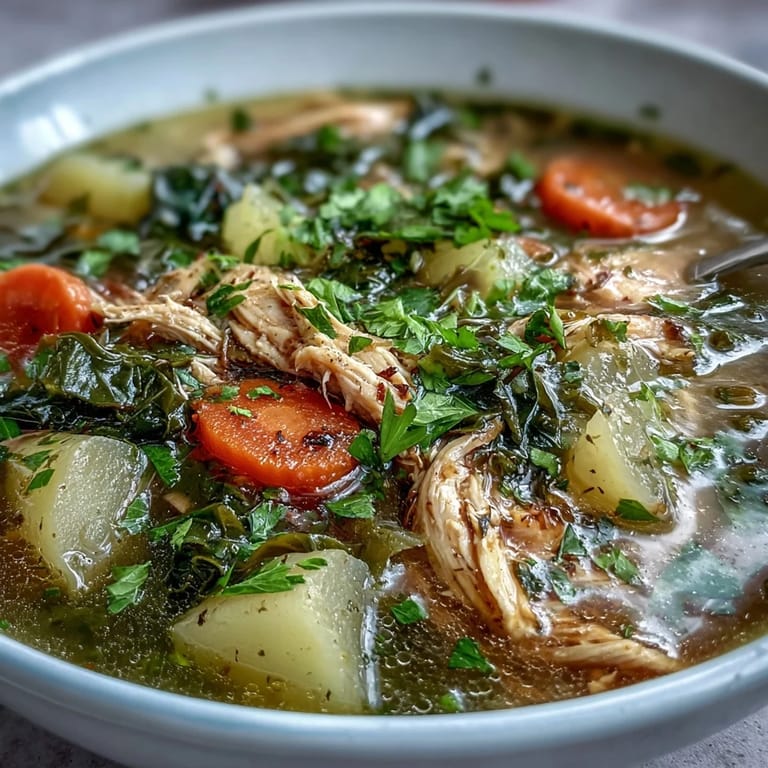
Save Years ago, I made this soup for a potluck and watched it disappear before anything else on the table did. That taught me something: people are hungry for real food, for simplicity, for something that feels made with care rather than convenience.
The Power of the Soffritto
What makes this soup taste like it's been tended to all day is what happens in those first five minutes. The onion, carrots, and celery, when given time to soften in the oil, transform from raw vegetables into something almost sweet and complex. I've learned never to rush this step or use pre-cut vegetables; the act of taking your time here sets the entire tone. It's the kind of small thing that nobody will consciously notice, but everyone will taste.
Collard Greens: The Patient Vegetable
The first time I used collard greens, I was intimidated by their thickness and the fact that you have to remove the stems. But they're actually one of the most forgiving vegetables in the kitchen. Unlike delicate lettuces that wilt and disappear, collard greens hold their shape and develop a tender, almost creamy texture as they simmer. There's something meditative about removing those stems, about respecting the ingredient enough to prepare it properly. The flavor that emerges is deep and earthy, much more interesting than milder greens.
Making It Your Own
This recipe is sturdy enough to handle adjustments based on what's in your kitchen or what your body is asking for. Some nights I add a parmesan rind while it simmers (and remove it before serving) for extra depth. Other times I swap the collard greens for kale or Swiss chard when that's what I found at the market. The core of the soup stays true, but it bends to fit your needs and circumstances.
- For vegetarians, simply omit the chicken and use vegetable broth instead, then add a can of white beans for protein and heartiness.
- If you want it even heartier, serve it over brown rice or with thick slices of crusty bread alongside.
- Leftovers taste even better the next day as the flavors meld and deepen.
 Save
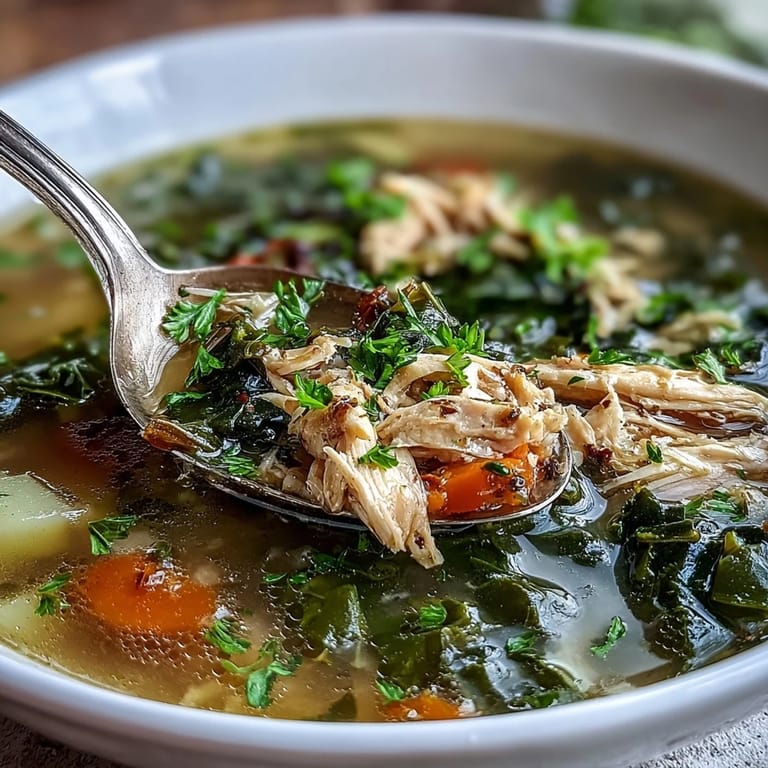
Save There's a reason soups like this have endured across generations and kitchens: they nourish you while asking so little in return. This one has become a quiet favorite of mine, the kind you reach for when you want to feel cared for, or when you want to care for someone else.
Recipe FAQs
- → Can I use kale instead of collard greens?
Yes, kale or Swiss chard make excellent substitutes for collard greens. Adjust cooking time slightly as kale may tenderize faster than collards.
- → How long does this soup keep in the refrigerator?
Store cooled soup in an airtight container for up to 4 days. The flavors actually improve after sitting overnight. Reheat gently on the stovetop.
- → Can I make this vegetarian?
Simply omit the chicken and swap chicken broth for vegetable broth. Add a can of drained white beans or chickpeas to maintain protein content.
- → What other vegetables work well in this soup?
Parsnips, sweet potatoes, butternut squash, or turnips can replace or complement the potatoes. Add them in step 3 with the potatoes.
- → Can I freeze this soup?
Yes, this soup freezes beautifully for up to 3 months. Cool completely before transferring to freezer-safe containers. Thaw overnight in the refrigerator before reheating.
- → Do I need to pre-cook the chicken?
No need to pre-cook. The chicken breasts simmer directly in the broth, becoming tender and flavorful. Then shred and return to the pot.