 Save
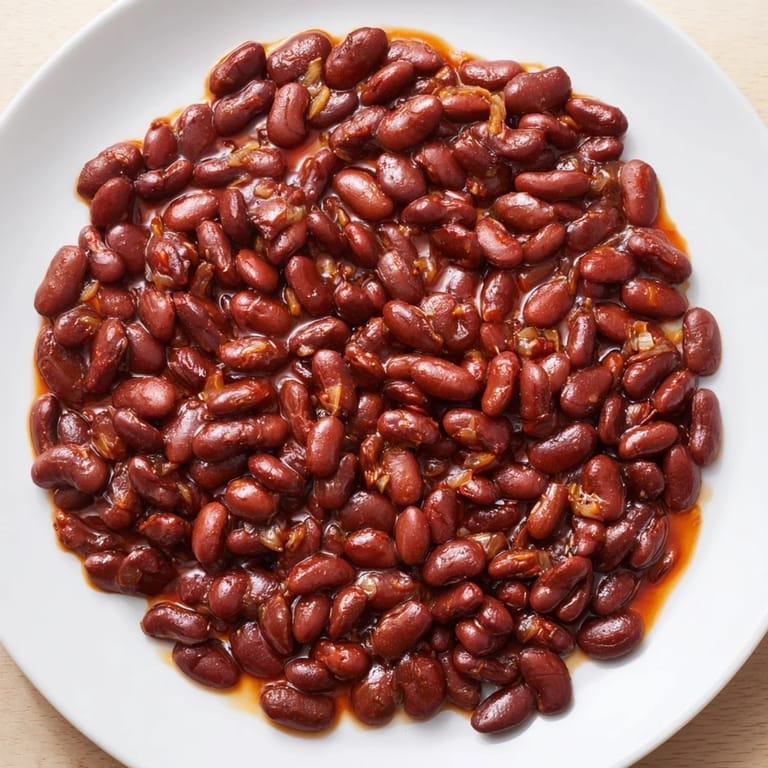
Save There's something about the smell of beans slowly caramelizing in the oven that pulls people into the kitchen without being asked. My neighbor knocked on the door one Saturday afternoon, drawn by that unmistakable aroma of molasses and tomato, and ended up staying for dinner. That's when I realized this wasn't just a side dish—it was an invitation. These baked beans have become the thing I make when I want the house to smell like home, like comfort, like something worth gathering around.
I made this for a Fourth of July potluck where I arrived fashionably late with a Dutch oven still radiating heat, and by the end of the night the pot was completely empty except for a few beans stuck to the bottom. Someone asked for the recipe on a napkin, and I realized I'd been making it by feel for so long I had to actually think through the steps. That's when I decided to write it down properly, because good food shouldn't be a secret kept only in your head.
Ingredients
- Dried navy beans (500 g or 2½ cups): The classic choice for a reason—they stay tender without falling apart and absorb the sauce beautifully. If you're short on time, three drained cans work just as well.
- Onion and garlic: These form the flavor base and should be chopped small enough to almost disappear into the sauce, creating depth rather than texture.
- Crushed tomatoes (400 g): The backbone of the sauce; canned is perfect here and honestly more reliable than fresh.
- Molasses or dark treacle: This is what gives baked beans their signature richness—don't skip it or substitute with honey, the flavor isn't the same.
- Brown sugar (3 tbsp): Works with the molasses to build layers of sweetness that balance the savory and tangy elements.
- Tomato paste (2 tbsp): A concentrated hit of tomato flavor that intensifies as everything cooks down.
- Dijon mustard (1 tbsp): Adds a subtle sharpness that keeps the dish from tasting one-dimensional.
- Apple cider vinegar (1 tbsp): The secret weapon that brightens everything and prevents the flavors from feeling heavy.
- Smoked paprika (1 tsp): Optional if you want a campfire-like quality, but it's my favorite touch.
- Black pepper, salt, and water: Season as you go and use water to reach the right consistency.
- Olive oil (2 tbsp): For sautéing the aromatics, use something you don't mind spending.
Tired of Takeout? 🥡
Get 10 meals you can make faster than delivery arrives. Seriously.
One email. No spam. Unsubscribe anytime.
Instructions
- Prepare the beans (if using dried):
- Soak them overnight in cold water, then boil until tender but not mushy—about an hour. This step makes a difference in texture.
- Preheat and prep:
- Get your oven to 160°C (325°F) and gather your ovenproof pot or Dutch oven. This low, slow heat is what turns everything into magic.
- Build the flavor base:
- Heat olive oil over medium heat, add the chopped onion, and let it soften for about 5 minutes—listen for the sizzle and watch it turn translucent. Add minced garlic and give it one more minute so it becomes fragrant without browning.
- Bloom the spices:
- Stir in the tomato paste, smoked paprika, and black pepper, letting them cook for about a minute. This step wakes up the spices and deepens their flavor.
- Build the sauce:
- Add the crushed tomatoes, molasses, brown sugar, mustard, vinegar, salt, and water. Stir until everything is incorporated and the molasses has dissolved throughout.
- Combine and transfer:
- Add the cooked beans to the sauce, stirring gently so they're evenly coated. Bring the whole pot to a gentle simmer on the stovetop, then cover and slide it into the oven.
- Let the oven do the work:
- Bake for 1½ to 2 hours, giving it a stir every 30 minutes or so. The sauce should gradually thicken and deepen in color, and the beans should become even more tender. When the sauce clings to the beans and looks glossy and reduced, you're done.
- Taste and finish:
- Pull it from the oven, let it cool just enough to taste safely, then season with a pinch more salt or a dash of vinegar if needed. Serve hot.
 Save
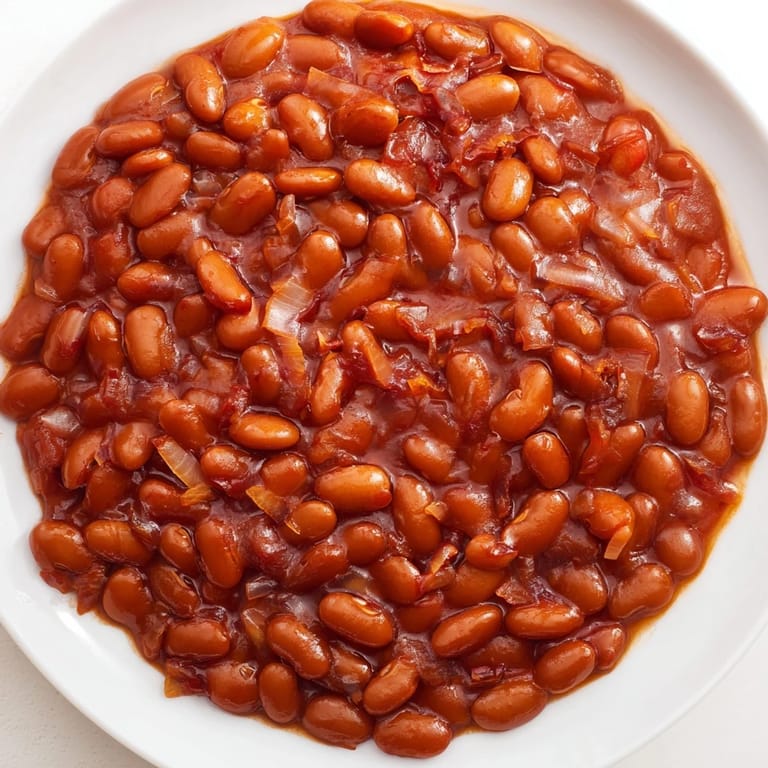
Save The first time I made these for someone I was trying to impress, I forgot they were in the oven and almost burnt them, but something magical happened—that slightly caramelized, deeper flavor actually made them better. It became one of those happy accidents that remind you that cooking doesn't require perfection, just attention and a willingness to taste as you go.
The Magic of Molasses
Molasses is the ingredient that separates homemade baked beans from canned ones. It brings a subtle, almost mineral sweetness and a dark richness that deepens everything in the pot. The first time I understood this was when a friend's grandmother made beans using blackstrap molasses and I realized I'd been tasting the shallow end of the pool. Now I seek out the best molasses I can find, and it makes a real difference in how the final dish tastes and feels in your mouth.
Timing and Make-Ahead Magic
These beans are the perfect candidate for cooking a day ahead. The flavors meld and deepen overnight in the fridge, and reheating them the next day (gently, in a covered pot with a splash of water if needed) actually improves them. I've learned to make a double batch whenever I'm making them, because it costs almost nothing extra in time and gives me ready-made comfort food for a busy weeknight later.
Variations and Serving Ideas
Once you understand the base, this recipe becomes a canvas. I've made it with cannellini beans when that's what I had, added crispy bacon for an extra layer, and even stirred in a bit of liquid smoke when I wanted to evoke a campfire. The beauty is that the method stays the same while the flavor can shift based on what's in your pantry and what you're craving. Serve them alongside grilled sausages, with crusty bread for soaking up the sauce, or as part of a full breakfast spread with eggs and toast.
- For smokiness, dice and crisp 100 g of bacon and stir it in at the end, or add a few drops of liquid smoke to the sauce.
- Swap the navy beans for cannellini, pinto, or even black beans depending on what you prefer.
- Keep them vegan by skipping any meat additions and using vegetable broth instead of water if you want extra depth.
 Save
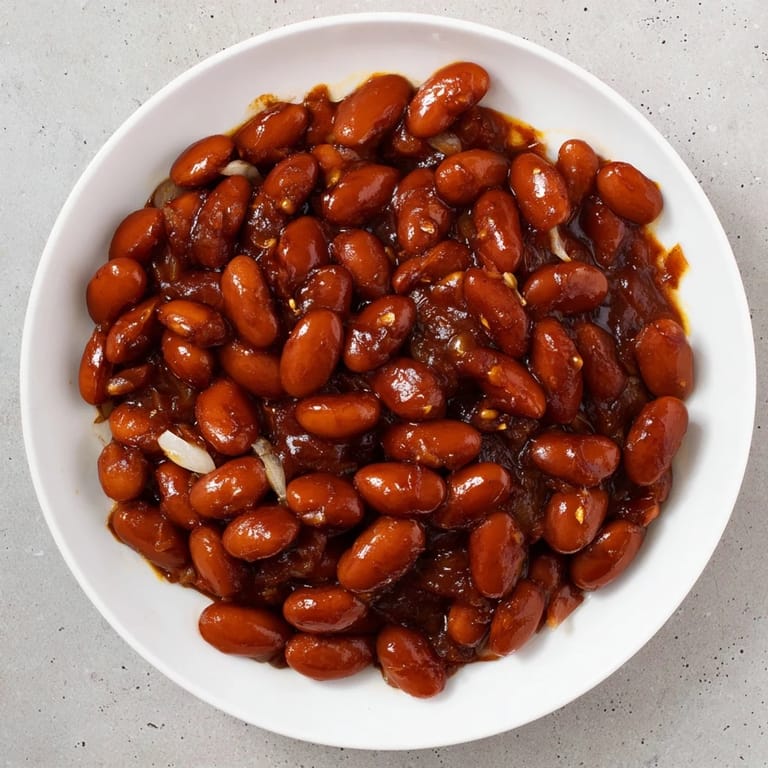
Save There's something grounding about a pot of slow-cooked beans on the stove or oven—it fills the house with a sense that good things are coming, and they usually do. Make this when you want your kitchen to feel like a gathering place.
Recipe FAQs
- → Can I use canned beans instead of dried ones?
Yes, canned beans can be used to save time. Rinse them well before adding to the sauce and reduce the cooking time accordingly.
- → What gives the sauce its smoky flavor?
Smoked paprika adds a warm, smoky depth, and optional bacon or liquid smoke can enhance this flavor further.
- → Can I substitute navy beans with other varieties?
Cannellini or pinto beans are good alternatives and work well with the sauce flavors.
- → How do I achieve the right sauce consistency?
Slow baking the beans allows the tomato-molasses sauce to thicken naturally; occasional stirring helps monitor texture.
- → Is this dish suitable for vegetarian diets?
Yes, omit any bacon additions to keep it vegetarian-friendly while maintaining rich flavors.
- → What dishes pair well with these slow-cooked beans?
These beans complement grilled sausages, crusty bread, or serve as a hearty breakfast side.